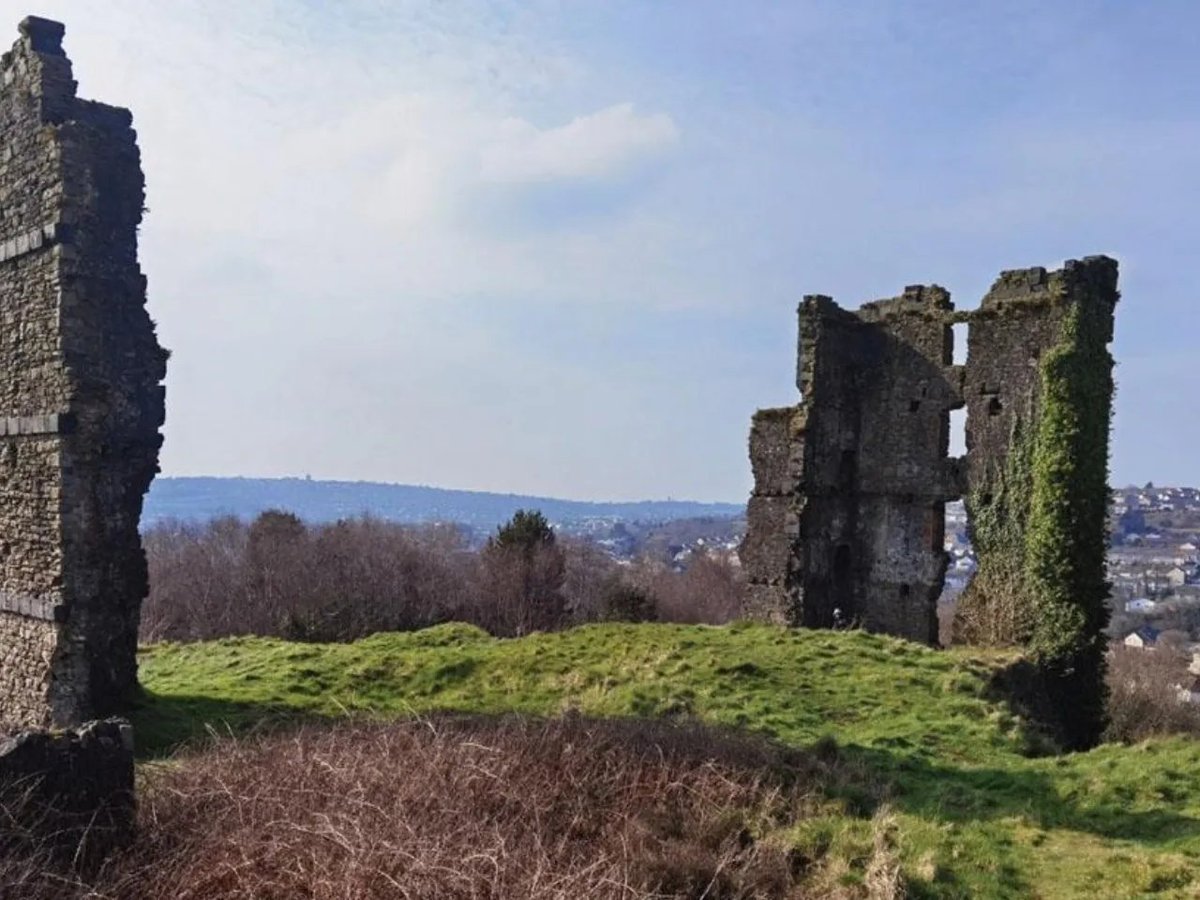
Morriston has a long history as a working town, and that shows in what we treat. The area grew around the copper works at Landore and the industrial sites that followed, and the working present is still physical for a lot of people: manufacturing, engineering, warehouses, delivery work and the trades. That means lifting, carrying, kneeling, working overhead and doing the same movement hundreds of times a day, often on shifts.
A working week like that loads the lower back and the shoulders more than almost anything else, and it does so gradually. People rarely arrive with a single dramatic injury. They arrive with something that has been building for months, that they have worked around, and that has finally started affecting something they care about. Shift patterns make it worse, because the body never quite settles into a routine and sleep is often disrupted, which slows down how well everything recovers.
There is a second group we see from Morriston that is easy to overlook, because the working day is spent sitting rather than on your feet. Morriston is a commuter base for people working in the city centre, at Swansea University or further along the M4, and a daily drive plus a desk produces a pattern of its own across the neck, the upper back and one side of the lower back. Left alone, it builds quietly for years.
The third thing worth naming is age. Morriston has a settled population, and a good number of the people we see from here are in their fifties, sixties and beyond, dealing with hips and knees that stiffen and take longer to get going. That is a different conversation from a training injury, and it is one where being honest about what treatment can and cannot do matters more than anything. Our first visit page explains how we approach it.