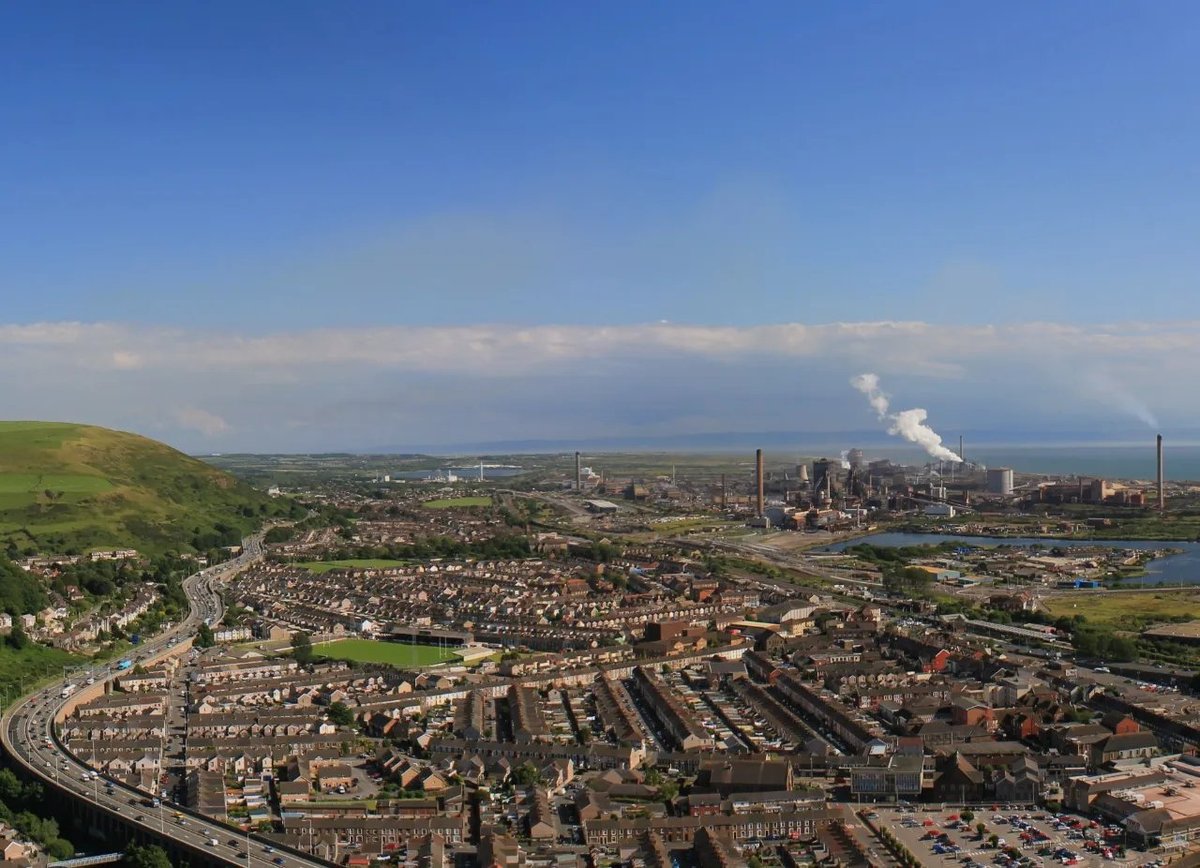
Port Talbot has been a steel town for the best part of a century, and the works still dominate both the skyline and the local working life. Heavy industry asks a great deal of the body, and it does so over decades rather than weeks. The problems we see from here are not usually sports injuries. They are the accumulated result of years of lifting, twisting, kneeling, working overhead and standing on hard floors for twelve hour shifts.
The lower back is where most of it lands. Repetitive lifting is the obvious cause, but so is the twisting that comes with moving something heavy from one place to another, and so is standing still for hours at a time. People often arrive describing a back that has been stiff for months and that finally went during something ordinary rather than during the lift itself. By that point the tightness has usually been building for a long while.
The shoulders and hips come next. Overhead work, carrying and working with the arms away from the body load the shoulder in a way it is not designed to sustain, and the result is often a shoulder that catches or aches when reaching up. Hips tighten from long periods on the feet and from the way heavy work changes how you stand and walk. Knees take the load from kneeling and from years on concrete, and a good number of the people we see from Port Talbot are managing hips and knees that have stiffened with age on top of everything else.
There is a second Port Talbot that is easy to miss. The town has a strong rugby tradition and a lot of people who train seriously outside work, whether that is rugby, running or the gym. Where someone works a physical job all week and then trains on top of it, the two loads stack, and the honest answer at an appointment is often that the job and the training were never separate problems. Our first visit page explains how we approach it.