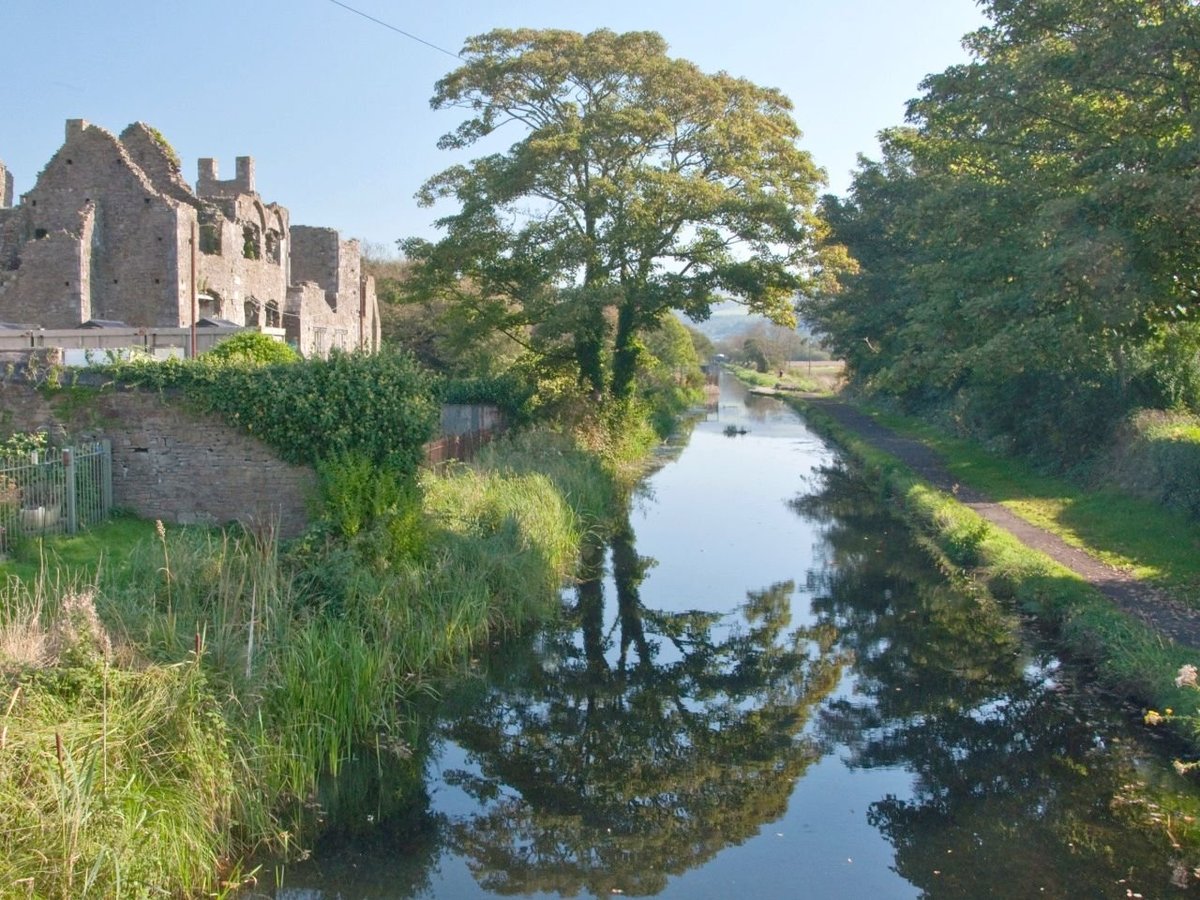
Neath has one of the strongest rugby traditions in Wales, and it shapes what we see. Neath RFC, known as the Welsh All Blacks, have been playing at the Gnoll since the nineteenth century, and the town has produced internationals ever since. Neath Athletic and the local junior and youth sides feed into the same culture. What that means for a therapist is a steady stream of shoulders, necks and lower backs, because a scrum, a tackle and a lineout all load the same structures, season after season.
Rugby is not the whole picture, though. Neath has a long industrial history and a working present in trades, engineering, construction and the sites around the area. That work is physical in a different way. It means lifting, carrying, kneeling, working overhead, using tools that vibrate, and doing the same movement hundreds of times a day for years. The result is that we see more lower back and shoulder problems from here than from areas where the working day is spent sitting.
The two overlap more than people expect. A player who works on the tools all week and turns out on a Saturday carries the accumulated load of both, and the shoulder that is already tired from overhead work is the one that struggles in the scrum. Quite often the honest answer at an appointment is that the treatment and the rugby were never separate problems.
The third group we see from Neath is the people who drive the M4 every day, and it is worth naming because it is easy to overlook. A commute from Neath into Swansea, Cardiff or Port Talbot is an hour of sitting with the head forward and the right leg working, and it produces a pattern of its own across the neck, the upper back and one side of the lower back. Left alone it builds quietly for years.
Wherever it comes from, the pattern is usually the same. People describe something that has been niggling for months, that they have worked around rather than addressed, and that has finally started affecting something they care about, whether that is lifting, playing, or simply getting through a shift without taking painkillers. Our first visit page explains how we approach it.